Understand how the eXroid® Treatment works.

eXroid’s at home haemorrhoid treatment.

Appointment types, costs and ways to pay.

A complimentary service to remove anal skin tags.

Find out more about eXroid and our mission to help sufferers worldwide.

Meet our faculty of colorectal specialists &  management team.

Patient experience is at the heart of everything we do.

Browse our published clinical data and sufferer research findings.

Find help and advice on understanding haemorrhoids and the treatments available.

Answer 5 simple questions to track changes in your symptoms & receive advice.

A collection of videos about haemorrhoids symptoms and treatment options.

Haemorrhoids during pregnancy and postpartum

A Midwife’s Guide to Soothing the Swell

Hello lovely mamas,

If you’re expecting a little one and have found yourself dealing with some uncomfortable symptoms in the back end (quite literally), you’re not alone. Haemorrhoids – also known as piles – are a common and sometimes pesky part of pregnancy and postpartum life. As a midwife, I’ve had countless conversations with mums-to-be and new mums about this topic, and I want to reassure you: it’s normal, it’s manageable, and it will get better.

Let’s talk about what’s going on down there, and most importantly, how you can ease the symptoms.

What Are Haemorrhoids?

Haemorrhoids are swollen veins in the rectal or anal area. During pregnancy, your growing uterus puts extra pressure on the pelvic area and major blood vessels, which can lead to veins becoming enlarged and uncomfortable. Add to that the hormone progesterone (which relaxes your blood vessels and slows digestion), and you’ve got the perfect storm.

For women to seek medical advice, they must be aware of the symptoms.

Haemorrhoids  can be internal or external and often cause itching, pain, swelling, or bleeding during a bowel movement. Some women notice them in the later stages of pregnancy, and others find they appear after pushing during labour and birth. Depending on the severity of the symptom’s, haemorrhoids can cause suffering and impact everyday activities such as walking, sitting and your emptying bowels.

Ideally, all pregnant women should be educated on healthy bowel habits and not have to suffer in silence.

Ms. Charlene Fenton, Midwife & eXroid Practitioner

“I am passionate about caring for women’s health and wellbeing during and after pregnancy. I see so many women suffering with this condition that often don’t receive the support they need to manage their symptoms and get a treatment that works for them as a new mother.

I have put together my top tips to help women to minimise the risk of developing haemorrhoids as well as managing symptoms until they are able to be treated. Read on to find out more.” 

Midwife Tip #1: “Don’t suffer in silence.”
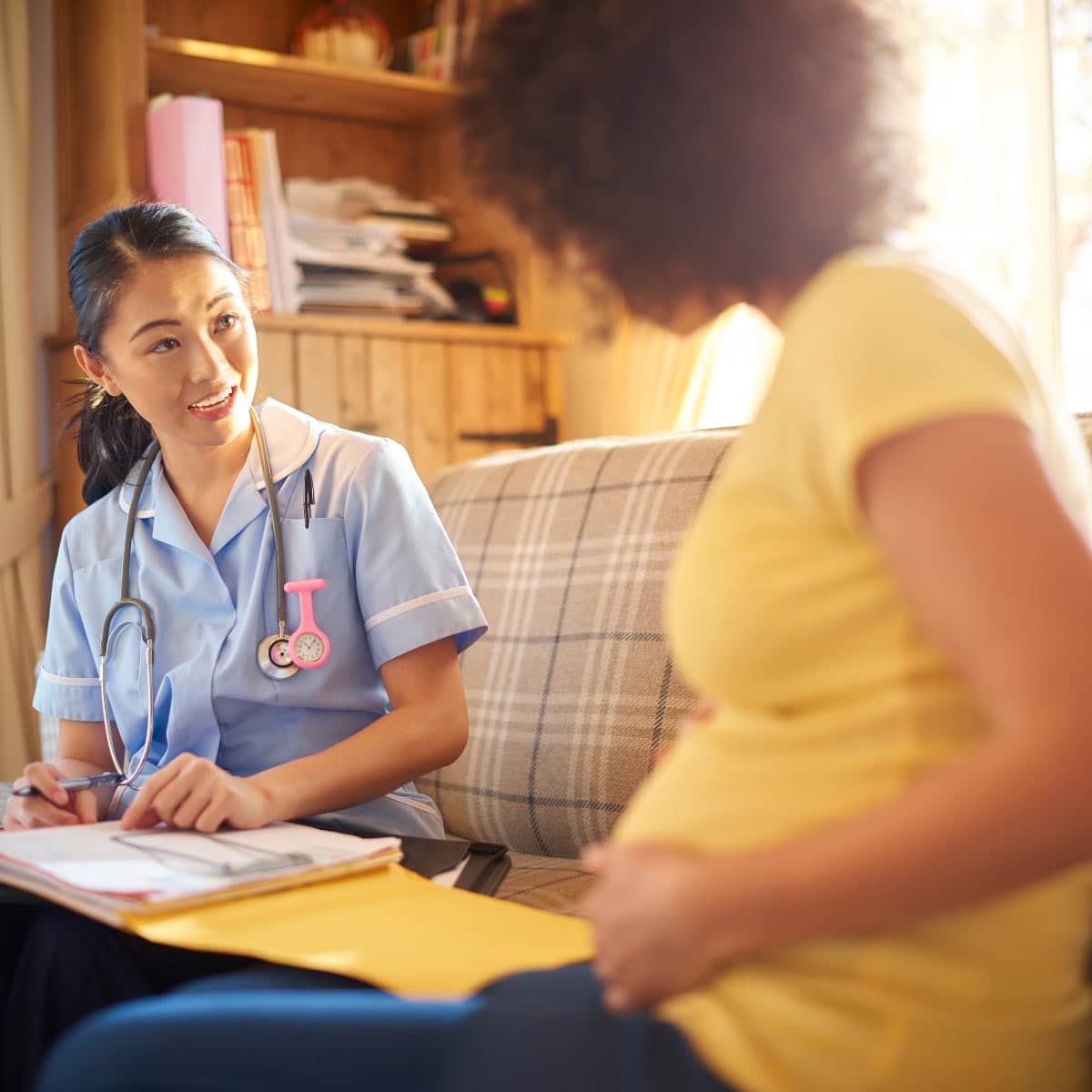
Haemorrhoids during pregnancy tips - Midwife Tip #1: "Don’t suffer in silence."

I always tell my mums – please bring it up at your antenatal or postnatal appointments.

It is evident that women do not recognise anal dysfunction during the postnatal period as a co-morbidity.  This has affected women’s ability to monitor their anal symptoms separately from their motherly duties adequately.  In addition, these findings have recognised for midwives and obstetricians to give anorectal conditions the same acknowledgment and transparency as they do with perineum trauma.

Remember you’re not being dramatic. You’re not the only one. And we can help.

Soothing Symptoms: Midwife-Approved Tips

Here are some gentle and practical ways to ease discomfort while keeping things pregnancy-safe:

1, Keep Things Moving

Constipation is a big trigger for haemorrhoids. Straining on the toilet adds pressure where you don’t need it.

  • Hydration is key – aim for 8-10 glasses of water daily.
  • Fibre up – add plenty of fruits, vegetables, oats, whole grains, and pulses to your meals.
  • Move your body – gentle walking or prenatal yoga can keep your bowels moving.


2, Mindful Toileting

Try not to strain when you’re on the loo. Use a small stool under your feet (think “squatty potty” style) to help align your body more naturally.

  • Don’t sit on the toilet for too long – if it’s not happening, come back later.
  • Gently pat to clean instead of wiping aggressively.


3, Soothe with Warmth or Cool

  • Warm sitz baths (a shallow soak for your bottom) can relieve itching and reduce swelling. When you are healed from any stitches, this could help with your haemorrhoid symptoms
  • Cool compresses or witch hazel pads are also brilliant. Just make sure any wipes or treatments are free from harsh chemicals and perfumes.


4, Try Pregnancy-Safe Remedies

Some topical creams and suppositories are safe to use in pregnancy, but always check with your midwife or GP before starting anything new.

  • Ask your care provider about haemorrhoid-safe treatments like Anusol or Preparation H.
  • Natural remedies like aloe vera gel can help, but again – always check what’s safe.


Midwife Tip #2: “Your pushing technique matters.” 
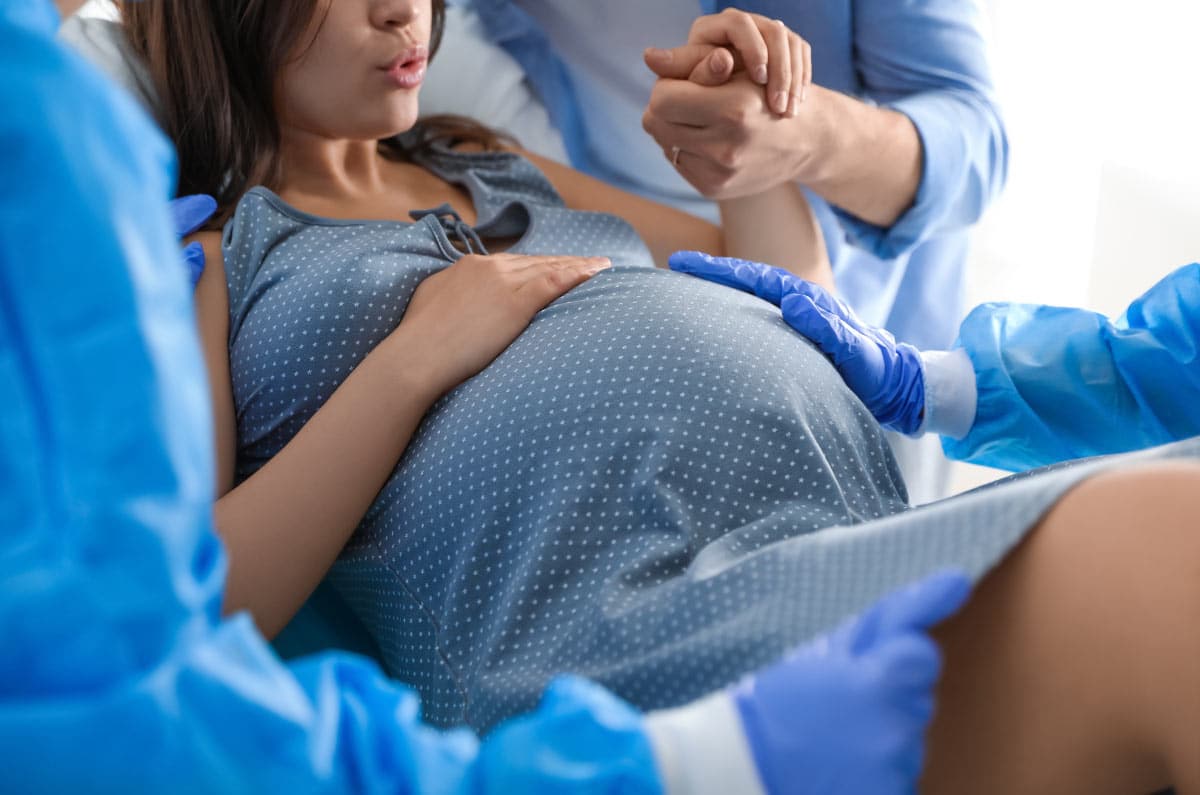
Haemorrhoids during pregnancy tips - Midwife Tip #2: "Your pushing technique matters."

During labour, we’ll guide you on how to push effectively and avoid holding your breath for too long. Trust your body and your midwife’s coaching – we’re there to help protect your perineum and your bum!

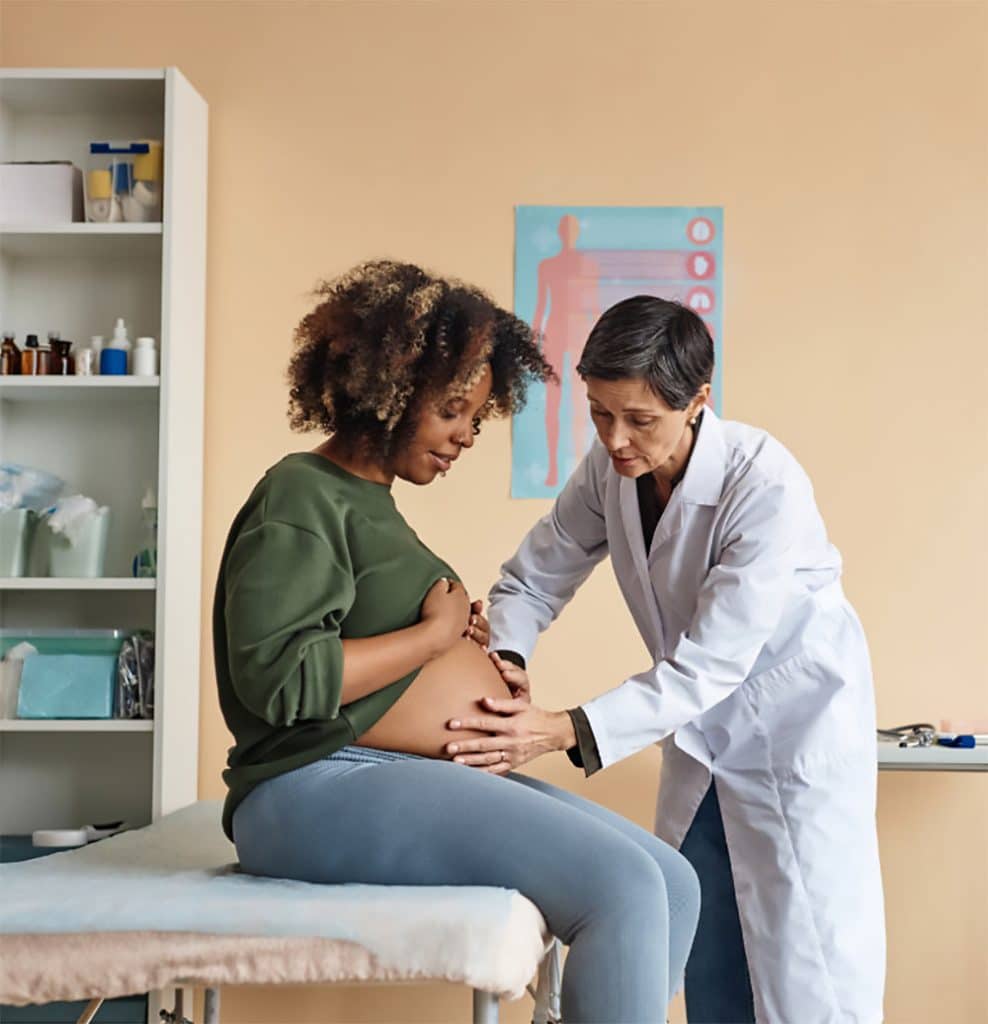
Rest and Recovery Postpartum

If you develop haemorrhoids after birth, be kind  to yourself. You’ve done a huge job bringing your baby into the world. Keep following the same tips—hydrate, fibre up, sitz baths—and give your body time.

If you’re experiencing ongoing bleeding, severe pain, or if a haemorrhoid becomes thrombosed (very painful and hard), let your doctor or midwife know. You may need a little extra care or treatment.

Midwife Tip #3: “Self-care isn’t selfish – it’s part of healing.”

Haemorrhoids during pregnancy - Midwife Tip #3: “Self-care isn’t selfish - it’s part of healing.”

Between nappy changes, night feeds, and adjusting to life with a newborn, don’t forget your own body needs TLC too. A few minutes a day for a bath or applying a cooling pad can make a big difference in how you feel.

Seeking Treatment when you’re ready

Some find that their haemorrhoids shrink back after birth, but for many this isn’t the case and the symptoms can get in the way of you enjoying your precious first weeks and months with your new baby. There are treatments that can be done following birth as soon as you are healed and feel comfortable.

Personally, I would always recommend the eXroid electrotherapy treatment, as it is the lowest risk non-surgical procedure available and can be carried out in a clinic setting on the same day and will allow you to get straight back to being mumma again.

To find out more about this treatment, please click here.

In Summary

Haemorrhoids in pregnancy are incredibly common—and although they’re not the most glamorous part of motherhood, they’re absolutely manageable with a bit of knowledge and kindness to yourself. Trust your body, trust your instincts, and remember you’re not alone.

If you ever feel unsure or need a little reassurance, reach out to your midwife. We’re here to support you through every ache, stretch, and swollen vein along the way.

Take care of yourself, lovely mama – you’re doing beautifully.

With warmth,
Your Midwife 💗

NEXT
eXroid receives a King's Award for Enterprise: Innovation 2023

We're here to help you

eXroid®: fully regulated and accredited

Our service has been evaluated by the National Institute for Health and Care Excellence (NICE) who have produced two sets of approval guidelines which accredit the treatment as safe and effective (IPG525 and MIB201). eXroid is a registered and regulated service Provider with the Care Quality Commission (CQC) as we strive for the highest levels of care and service standards.

The eXroid service is also PCI DSS compliant, giving both financial assurance and security to our patients when they make their payments with us.

Why choose the eXroid® haemorrhoid treatment

Fast

The eXroid® treatment takes 30 minutes or less. Effects can be felt from immediately and no waiting for a referral

Specialist

The procedure is supported and carried out by the UK's leading specialist consultant surgeons in CQC registered clinics

Safe

The eXroid® procedure is low risk, as it requires no anaesthetic, cutting or stitching

Convenient

Get back to your life straightaway, with no time off work needed after the eXroid® procedure

Approved

eXroid® electrotherapy is subject to NICE guidance (IPG525 & MIB201), is rated as Outstanding by the CQC and carries the CE mark

Want to understand your piles symptoms better?

Answer some simple questions about the symptoms you are experiencing to get your haemorrhoid severity score and receive advice on what it means and what to do next.